
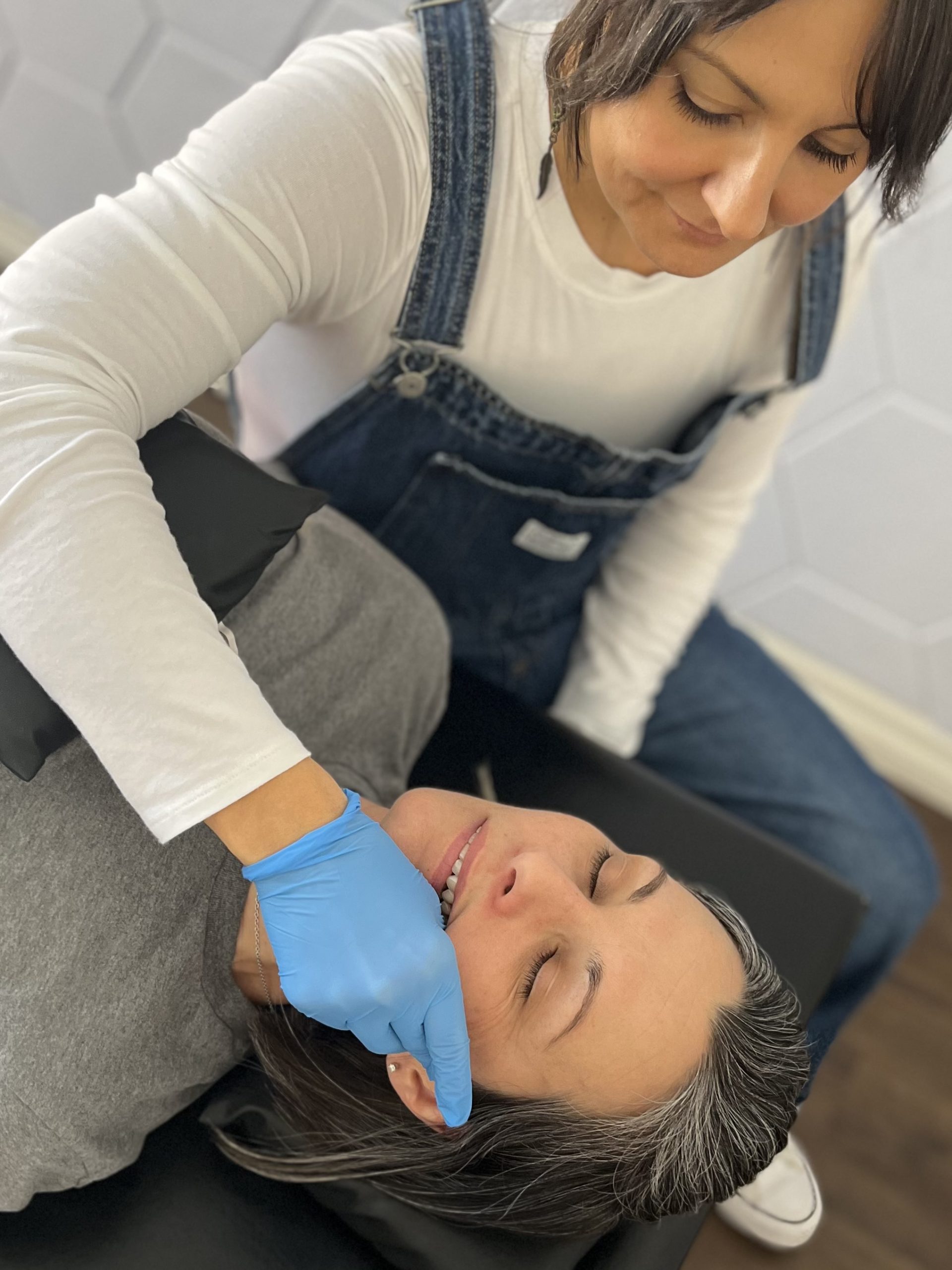
Jaw pain can be more than just an inconvenience — it can affect how you eat, speak, sleep, and move through your day. Many people live with ongoing tension, headaches, clicking or locking of the jaw without realizing that gentle, whole-body osteopathic care may offer meaningful relief. At Thrive, our osteopathic practitioners take a comprehensive and supportive approach to helping clients manage symptoms associated with Temporomandibular Dysfunction (TMD).
Understanding TMD
The temporomandibular joint (TMJ) connects your jaw to your skull and works closely with surrounding muscles, ligaments, and nerves. When this system becomes strained or imbalanced, it may lead to TMD — a condition that can present in many ways, including:
- Jaw pain or tightness
- Clicking, popping, or locking sensations
- Headaches or facial tension
- Neck and shoulder discomfort
- Ear pressure or ringing
- Difficulty chewing or opening the mouth fully
Because the jaw is influenced by posture, breathing patterns, stress, and whole-body mechanics, effective care often extends beyond the jaw itself.
How Osteopathy Can Help
Osteopathic treatment focuses on restoring balance within the body through gentle, hands-on techniques. Rather than treating only the site of pain, an osteopathic practitioner looks at how the entire system is functioning together.
At Thrive, Osteopathic treatment for TMD may include:
- Jaw & Facial Tissue Release
Subtle manual techniques can help reduce muscular tension around the TMJ, cheeks, and temples, supporting improved mobility and comfort. - Neck & Postural Support
The alignment of the cervical spine and upper body plays a significant role in jaw function. Treatment may address the neck, shoulders, and upper back to reduce strain on the jaw. - Cranial & Nervous System Techniques
Gentle cranial approaches aim to calm the nervous system and improve fluid movement, which can be particularly beneficial for clients experiencing stress-related clenching or grinding. - Whole-Body Integration
Osteopathic practitioners assess breathing patterns, rib mobility, and overall movement habits to help reduce compensations that may contribute to TMD symptoms. - Intraoral Osteopathic Treatment
Barbara Lukac has completed additional TMD-specific training that includes an intraoral approach when clinically appropriate. This specialized technique allows the practitioner to gently access muscles inside the mouth that directly influence jaw mechanics — areas that cannot always be reached externally. Intraoral work is always discussed beforehand, performed with informed consent, and integrated thoughtfully with external osteopathic techniques to support balanced, lasting results.
What Happens During Your Initial Assessment
Your first osteopathic visit includes a comprehensive TMJ and whole-body assessment designed to understand how your jaw is functioning and what may be contributing to your symptoms. This may include:
- Observing jaw tracking and movement patterns
- Assessing for clicking, popping, or joint restriction
- Evaluating muscular tension in the jaw, neck, and face
- Screening for signs of malocclusion or bite-related strain
- Reviewing posture, breathing patterns, and upper body mechanics
This thorough assessment helps guide a personalized treatment plan that is collaborative, safe, and aligned with your goals.
Benefits Clients Often Experience
While every individual responds differently, many clients notice:
- Reduced jaw tension and pain
- Improved opening and closing of the mouth
- Fewer headaches or facial pressure
- Improved comfort with chewing or speaking
- Better sleep quality
- Increased awareness of posture and body mechanics
- A greater sense of overall relaxation and balance
Osteopathic care is gentle and collaborative, meeting each client where they are and progressing at a pace that feels safe and supportive.
What a Treatment Session May Look Like
Your practitioner will begin with a thorough discussion of your symptoms, history, and goals. Treatment is typically performed fully clothed and involves light, precise manual techniques. When appropriate, intraoral treatment may be incorporated as part of the session — always with clear explanation, consent, and a focus on client comfort.
Many clients describe sessions as calming and restorative, often leaving with a sense of ease not only in the jaw, but throughout the body.
Aftercare & Self-Support Between Visits
Healing doesn’t stop when you leave the treatment room. Your osteopathic practitioner may offer personalized aftercare suggestions such as:
- Gentle jaw awareness exercises
- Postural adjustments for daily activities
- Breathing or relaxation strategies
- Heat or hydration recommendations
- Guidance on pacing chewing habits or reducing clenching
Consistency with these small, supportive changes can enhance the benefits of treatment and help maintain progress over time.
If you’ve been experiencing jaw discomfort, headaches, or ongoing tension, osteopathic care — including specialized intraoral techniques — may be a gentle and supportive option to explore. Our team is here to help you feel better, supported and confident in your wellness journey.
Curious whether osteopathy could support your TMJ health? Connect with our team at Thrive to learn more or to book a consultation.