
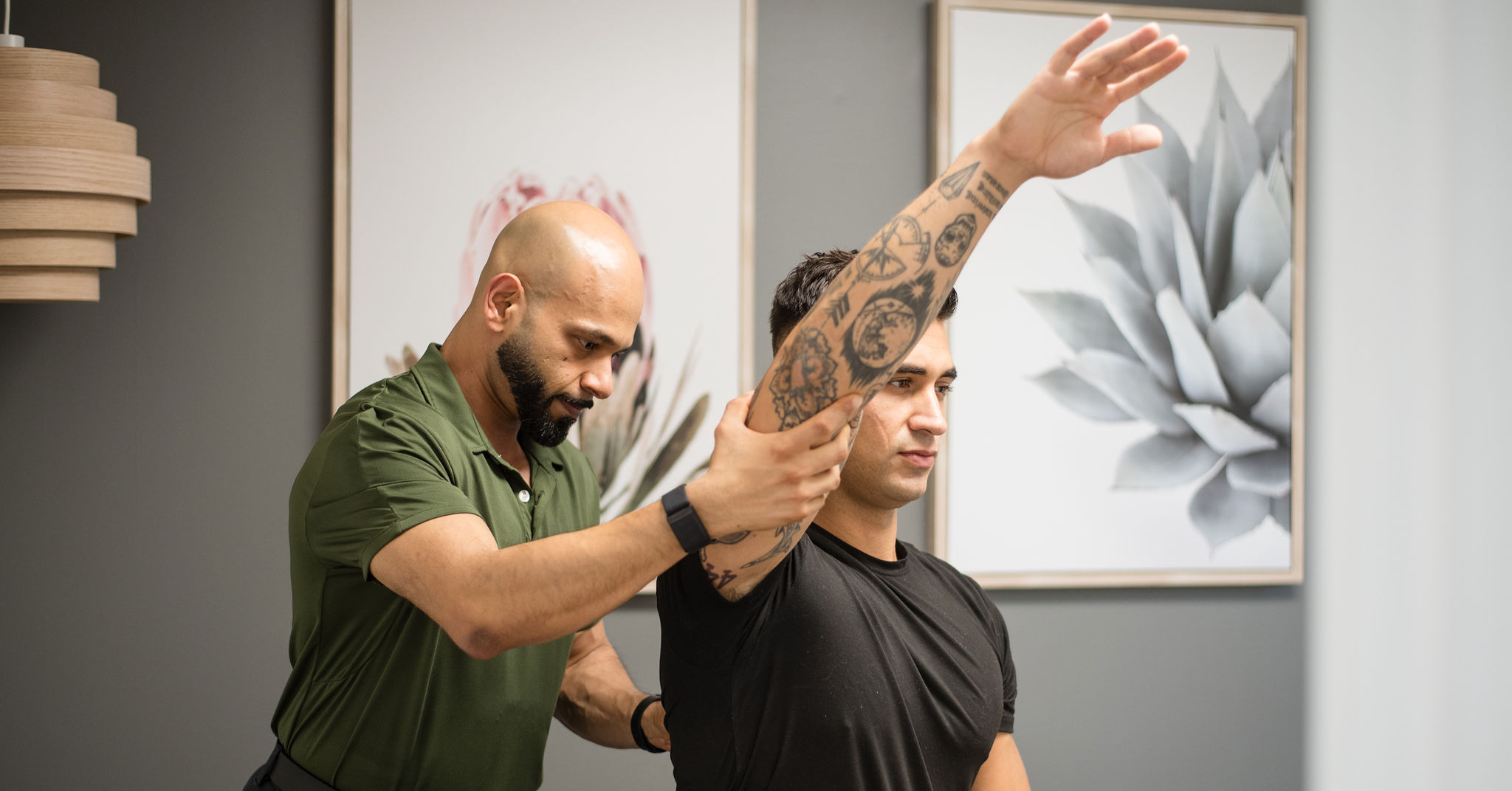
Whether you’re training for a race, playing competitive hockey, hitting the gym or enjoying recreational sports, staying active places demands on your body. While some muscle soreness and fatigue are a normal part of physical activity, recurring discomfort, restricted movement or nagging injuries shouldn’t simply be accepted as part of the game.
Too often, we wait until something hurts enough to interfere with our activities before seeking treatment. But taking care of your body doesn’t have to begin with an injury. A proactive approach to recovery, movement and musculoskeletal health can help you recognize concerns early and make informed decisions about your care.
Proactive Care: You Don’t Have to Be Injured
Registered Massage Therapy isn’t just for when something hurts. Many active individuals incorporate massage into their wellness routines to help manage muscle tension, soreness and the physical demands of training or everyday activity.
Whether you’re an athlete, a weekend warrior or simply someone who enjoys staying active, massage therapy can help address muscular discomfort and support relaxation and mobility. Your RMT can also provide education and appropriate home-care recommendations based on your individual needs.
Proactive care doesn’t guarantee injury prevention, but paying attention to how your body responds to activity, allowing adequate recovery time and addressing persistent concerns can help you make better decisions about your training and physical well-being.
When Injuries Happen: Where Does Massage Therapy Fit?
Sports injuries can happen suddenly, like a sprained ankle during a game, or develop gradually through repetitive activity and overuse. Muscle strains, tendon-related discomfort, joint stiffness and movement restrictions are all common reasons active individuals seek care.
All Registered Massage Therapists are trained to assess and treat musculoskeletal concerns within their professional scope of practice. Depending on the nature and stage of an injury, massage therapy may help manage muscle tension, discomfort and associated movement restrictions as part of an appropriate recovery plan.
At Thrive, our RMTs bring a range of clinical experience, training and treatment approaches to supporting active individuals. Among them is Caleb Lavoie, CAT(c), RMT, who is both a Certified Athletic Therapist and Registered Massage Therapist. Although Caleb practises as an RMT at Thrive, his additional Athletic Therapy background informs his approach to sports-related injuries, movement, rehabilitation and exercise-based recovery.
This additional expertise complements the care provided by our entire RMT team, who regularly work with clients managing injuries, physical discomfort and the demands of active lifestyles.
What About Osteopathy and Chiropractic?
Massage therapy is one of several approaches available for managing musculoskeletal discomfort and movement concerns.
Osteopathy uses hands-on assessment and treatment to explore how different areas of the body move and function together. For active individuals, an osteopathic practitioner may assess joint mobility, muscular restrictions and related movement patterns that could be contributing to discomfort or stiffness.
Chiropractic care also addresses musculoskeletal concerns, including joint pain, stiffness and movement restrictions. Treatment may include manual therapy, joint mobilization or manipulation, neuromuscular acupuncture, exercise recommendations and strategies to support physical function.
At Thrive, having Registered Massage Therapy, Osteopathy and Chiropractic available within the same clinic gives patients access to different approaches to care, with opportunities for collaboration when appropriate.
Young Athletes Need Recovery Too
Between school sports, competitive teams, tournaments, dance, gymnastics and other activities, many children and teenagers have demanding schedules. Their bodies are also growing and adapting to changes in strength, coordination and physical development.
Persistent discomfort shouldn’t automatically be dismissed as growing pains or something they simply need to push through. Appropriate assessment, recovery and training modifications can be important for young athletes, just as they are for adults.
Did you know? If you have extended health benefits through work, your dependent children may be covered too. Many plans include eligible dependants for Registered Massage Therapy and other healthcare services. Coverage varies, so it’s worth checking your individual policy, including age limits and practitioner requirements.
Feeling Better Doesn’t Always Mean You’re Ready to Return
One of the biggest challenges following an injury is knowing when it’s appropriate to return to your regular activities.
Pain may improve before strength, mobility and tolerance to physical activity have fully returned. Depending on the injury, recovery may involve gradually rebuilding strength, modifying activity and following an appropriate rehabilitation plan.
Massage therapy and other forms of manual care may support certain aspects of recovery, but they don’t replace medical assessment or structured rehabilitation when those are needed. Significant injuries, worsening symptoms or concerns about returning to sport should be assessed by an appropriate healthcare professional.
The goal isn’t simply to get back as quickly as possible. It’s to return with the capacity to manage the demands of your activity.
Stay Active. Recover Well.
You don’t have to be a competitive athlete to benefit from taking a proactive approach to your physical well-being. Whether you’re managing an injury, returning to an activity you love or simply looking to stay comfortable and active, understanding your body’s needs is an important part of the process.
At Thrive Massage Therapy & Wellness in Burlington, our Registered Massage Therapists, Osteopathic Practitioners and Chiropractor provide individualized care for active individuals of all ages, with treatment tailored to your concerns, goals and stage of recovery.
Don’t wait until discomfort is keeping you on the sidelines. Taking care of your body is part of staying active.
Ready to support your sport? Book your appointment!
Relax. Restore. Thrive.