
TMD Massage Therapy in Burlington
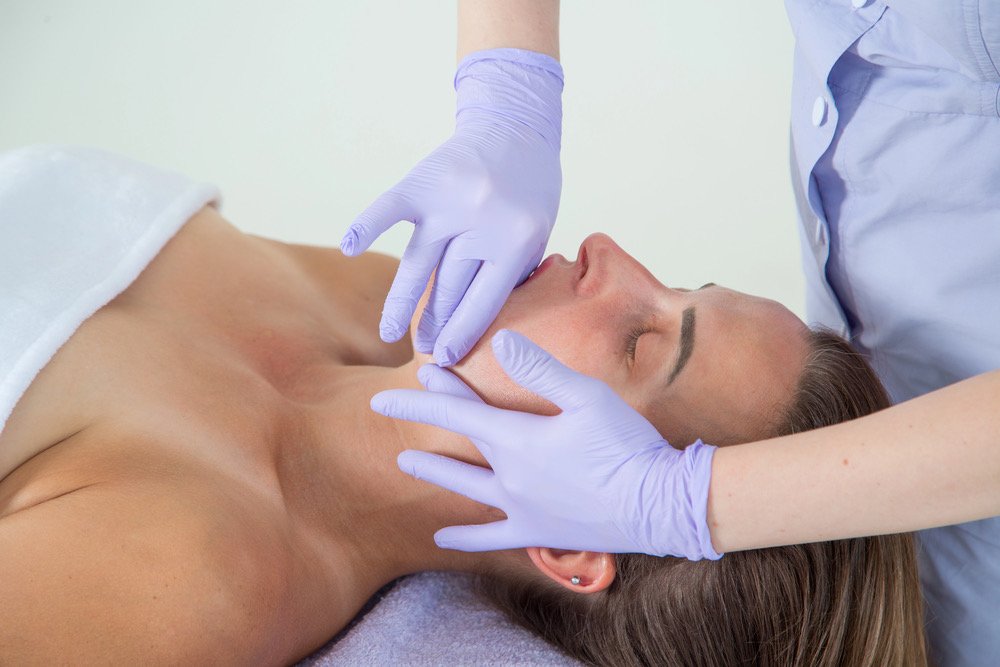
Massage Therapy for TMD, TMJ & Jaw-Related Tension
Temporomandibular dysfunction (TMD) can affect the jaw joint (the TMJ) and the muscles involved in chewing, speaking and other jaw movements. Symptoms may include jaw pain or tension, clicking or popping, headaches, facial discomfort, difficulty or discomfort with opening the mouth, and tension through the neck and shoulders.
At Thrive Massage Therapy & Wellness, Registered Massage Therapy may be used as part of an individualized approach to managing the muscular tension and discomfort associated with TMD.
What Is TMD?
TMD stands for temporomandibular disfunction (or disorder), a condition affecting the temporomandibular joint (TMJ), the muscles surrounding the jaw, and related structures.
Although people commonly refer to these concerns as “TMJ,” the TMJ is actually the joint itself, while TMD refers to the disorders or symptoms affecting the area.
TMD can be associated with a variety of factors, including jaw clenching or grinding, muscle tension, injury, stress, dental concerns and changes in how the jaw moves. Because the causes and symptoms can vary, treatment should be based on an individual assessment.
How Can Massage Therapy Help With TMD?
Registered Massage Therapy can address muscles and soft tissues that may contribute to jaw, facial, head and neck tension.
Depending on your assessment and symptoms, treatment may focus on areas such as the jaw and face, temples, scalp, neck, shoulders and upper back. Massage therapy may be helpful for managing:
- Jaw and facial muscle tension
- Discomfort associated with clenching or grinding
- Headaches associated with muscular tension
- Neck and shoulder tension
- Tightness or discomfort with jaw movement
- Muscular tension associated with TMD
Treatment is individualized based on your symptoms, assessment, comfort and goals.
What Does TMD Massage Therapy Involve?
TMD-focused massage may include both external and intraoral techniques.
External treatment can involve the muscles of the jaw, face, head, neck and shoulders. When appropriate, an RMT with additional training may also recommend intraoral massage, which involves treating certain jaw muscles from inside the mouth.
Your RMT will explain any recommended techniques before treatment and obtain your consent. You can ask questions, modify treatment or withdraw consent at any time.
Is Intraoral Massage Always Required?
No. Intraoral massage is not required for every person experiencing TMD symptoms.
Your treatment plan will depend on your assessment, symptoms and comfort level. External massage techniques may be used on their own or alongside intraoral techniques when appropriate.
Registered Massage Therapy for TMD at Thrive
TMD-focused massage therapy at Thrive is provided by Registered Massage Therapists with additional education or training in treating the jaw and related structures.
Your RMT will assess your individual presentation and develop a treatment approach based on your needs. When appropriate, massage therapy may also be used alongside care from your dentist, physician or other healthcare providers.
TMD Massage Therapy is currently offered as a dedicated service by Lindsey MacNeil, RMT and Penny Luther, RMT. Both have additional training in TMD-focused treatment, including intraoral techniques when appropriate.
Learn more about Lindsey MacNeil, RMT
Learn more about Penny Luther, RMT