
As the days grow shorter and temperatures begin to drop, many of us notice changes in how we feel. Our energy levels may shift, sleep patterns can become disrupted, and the demands of work, family and everyday life don’t necessarily slow down with the season.
Fall and winter can also bring increased stress, changes in physical activity, and a greater awareness of our overall health and well-being.
While we often think about supporting our health once something feels wrong, the colder months are a great opportunity to take a more proactive approach to wellness.
Traditional Chinese Medicine (TCM) acupuncture offers an individualized approach to care that considers the connection between physical health, emotional well-being, sleep, stress and seasonal changes.
Understanding Acupuncture Through a Seasonal Lens
In Traditional Chinese Medicine, health is understood through the relationship between different systems within the body and the balance of Qi (pronounced chee), often described as the body’s vital energy.
TCM also recognizes that our bodies respond to changes in the environment, including temperature, daylight and seasonal routines.
Rather than focusing exclusively on individual symptoms, a TCM practitioner considers the broader picture of a person’s health, including sleep, digestion, energy levels, stress, menstrual health and other concerns.
Acupuncture treatments are then tailored to the individual’s needs and treatment goals.
Supporting Immune Health During Cold and Flu Season
As temperatures drop and cold and flu season approaches, supporting our overall health becomes especially important.
In Traditional Chinese Medicine, the body is viewed as an interconnected system, where physical, emotional and environmental factors all influence our well-being. Acupuncture aims to restore and maintain balance within these systems, supporting the body’s natural ability to regulate itself and adapt to seasonal changes.
Rather than focusing solely on preventing illness, TCM acupuncture takes a proactive approach to wellness by addressing factors such as stress, sleep disturbances, fatigue and overall well-being. Supporting these aspects of health can help create a stronger foundation for healthy immune functioning.
While acupuncture isn’t a substitute for medical care when illness occurs, it can be part of a broader approach to maintaining health and well-being throughout the colder months.
Sleep, Rest and Seasonal Changes
Shorter days, darker mornings and changes in daily routines can affect our natural sleep-wake cycles. For some, this means difficulty falling asleep, waking frequently throughout the night or simply not feeling rested in the morning.
Acupuncture may help improve sleep by influencing the nervous system and encouraging the body to shift away from a heightened state of stress and into a more relaxed state. Research suggests that acupuncture may influence pathways involved in sleep regulation, potentially helping some individuals fall asleep more easily, experience fewer nighttime disruptions and improve their overall sleep quality.
From a Traditional Chinese Medicine perspective, sleep disturbances may reflect underlying imbalances within the body. Rather than treating sleeplessness as an isolated concern, a TCM practitioner considers factors such as stress, emotional well-being, digestion and energy levels when developing an individualized treatment plan.
By addressing these contributing factors, acupuncture may offer a complementary approach to supporting more restful, restorative sleep throughout the colder months.
For individuals experiencing ongoing sleep difficulties, acupuncture can be incorporated alongside healthy sleep habits and appropriate medical care when needed.
Hormonal Health and Seasonal Well-Being
Hormonal changes can affect people throughout different stages of life, influencing sleep, mood, energy levels, menstrual cycles and overall comfort.
For some individuals, symptoms associated with menstruation, perimenopause or menopause may feel more noticeable when combined with seasonal stress, disrupted routines or poor sleep.
TCM acupuncture is sometimes used as a complementary treatment for concerns such as:
- Menstrual discomfort and cycle-related symptoms
- Hot flashes and other menopausal symptoms
- Sleep disturbances
- Stress and mood-related concerns
Research suggests acupuncture may provide relief for certain symptoms, including some forms of menstrual pain and menopause-related discomfort. However, evidence varies depending on the condition, and acupuncture has not been established as a treatment that reliably balances or regulates hormone levels.
An individualized assessment can help determine whether acupuncture may be appropriate as part of a broader care plan.
Managing Stress and Supporting Emotional Well-Being
Fall and winter can be demanding seasons. Between busy schedules, holiday preparations, reduced daylight and the everyday responsibilities of life, it’s easy to overlook the impact that stress can have on our bodies.
Stress doesn’t just affect how we feel emotionally. It can contribute to muscle tension, headaches, disrupted sleep, fatigue and an ongoing sense of being overwhelmed.
So how can acupuncture help?
Acupuncture stimulates sensory nerves that communicate with the brain and nervous system, potentially influencing the body’s stress response. Research suggests acupuncture may affect pathways involved in regulating stress hormones and the autonomic nervous system, which helps control functions such as heart rate, digestion and relaxation. These effects may help some individuals feel calmer and experience relief from stress-related symptoms.
Beyond these potential physiological benefits, the acupuncture session itself offers an opportunity to slow down, disconnect from daily demands and focus on your well-being.
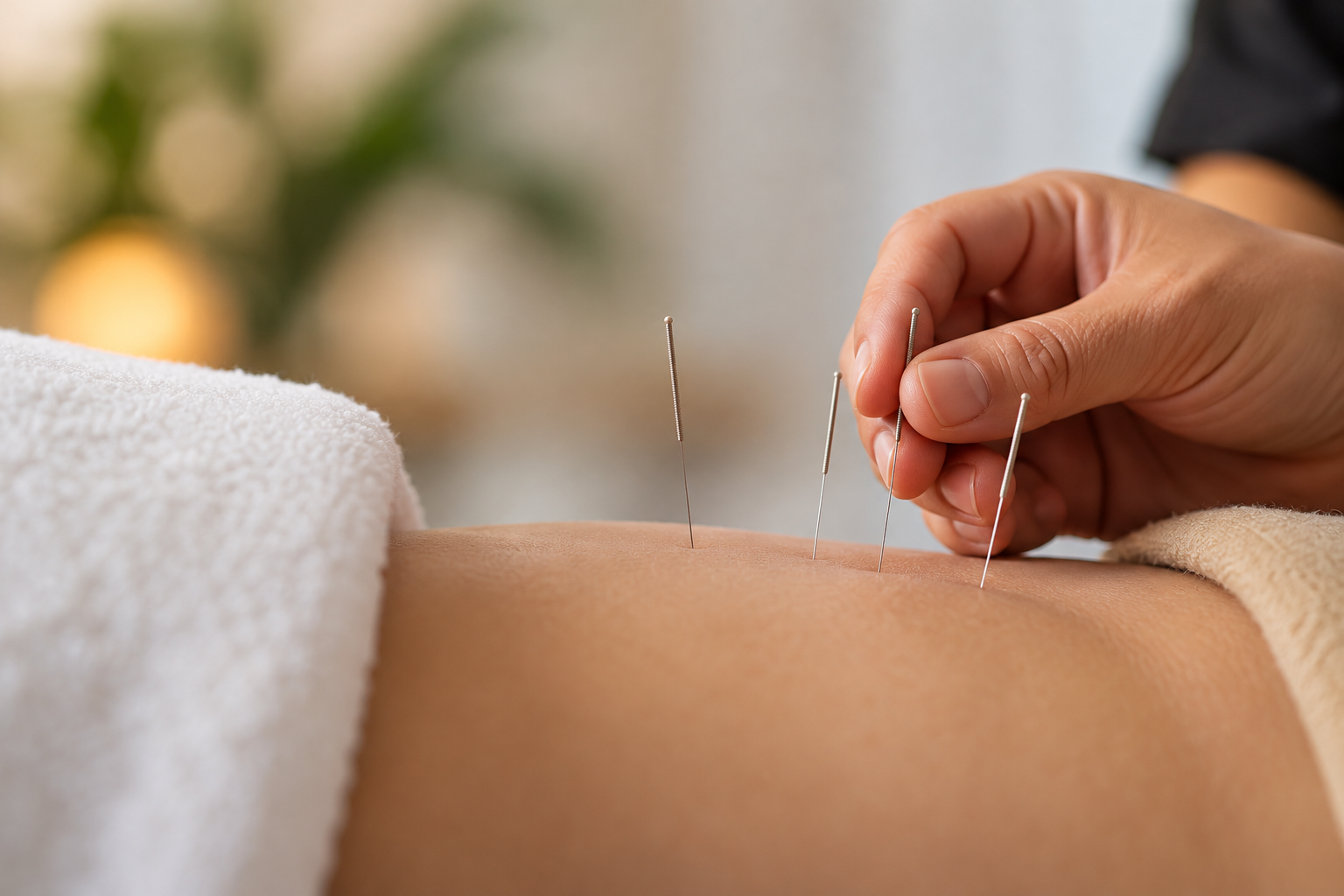
During treatment, fine needles are gently placed at specific points on the body, and you’re given time to rest comfortably while they remain in place. Many people describe feeling deeply relaxed during their session, and some even drift off to sleep… we call this your “acu-nap”.
That quiet, uninterrupted time can be incredibly restorative, particularly during seasons when life feels especially busy.
From a Traditional Chinese Medicine perspective, treatment also considers how stress may be affecting other aspects of your health, including sleep, digestion, energy levels and physical comfort. Your practitioner uses this information to develop an individualized approach to care.
Whether you’re managing ongoing stress or simply looking for an opportunity to pause and recharge, acupuncture may be a valuable addition to your overall wellness routine.
Ear Seeding: Another Approach to Supporting Your Wellness
For those interested in the benefits of Traditional Chinese Medicine but hesitant about acupuncture needles, ear seeding offers a gentle, needle-free alternative.
Ear seeding is a form of auriculotherapy that involves placing tiny seeds or beads onto specific points of the outer ear using small adhesive patches. These points are selected based on your individual concerns and treatment goals.
In Traditional Chinese Medicine, the ear is viewed as a microsystem that reflects different areas and functions of the body. By applying gentle pressure to specific points, ear seeds are intended to provide ongoing stimulation between appointments.
Ear seeding may be incorporated into a wellness plan to support concerns such as stress, relaxation, sleep disturbances and general well-being. While research into its effectiveness is still developing, some individuals find it a comfortable and convenient complement to acupuncture.
One of the unique aspects of ear seeding is that the seeds can remain in place for several days, allowing you to gently stimulate the points as directed by your practitioner.
Whether used alongside acupuncture or as a needle-free option, ear seeding offers another way to explore the principles of Traditional Chinese Medicine and a more individualized approach to wellness.
Curious about ear seeding? Ask Naheed whether it may be an appropriate option for your health and wellness goals.
A Proactive Approach to Wellness
One of the important principles of Traditional Chinese Medicine is that care doesn’t always need to begin when symptoms become difficult to manage.
A proactive approach involves paying attention to changes in how you feel and addressing concerns before they significantly interfere with daily life.
Whether you’re navigating disrupted sleep, seasonal stress, menstrual discomfort or changes in energy, acupuncture may offer another option for supporting your overall well-being.
At Thrive Massage Therapy & Wellness in Burlington, our TCM acupuncture practitioner, Naheed, takes an individualized approach to treatment, considering your health history, current concerns and personal wellness goals.
Meet Naheed, Our TCM Acupuncture Practitioner
Whether you’re exploring acupuncture for the first time or looking to incorporate it into your regular wellness routine, Naheed takes the time to understand your health history, concerns and treatment goals.
Interested in learning more about Naheed and her approach to acupuncture?
Meet Naheed and learn more about her practice.
Curious about how acupuncture might fit into your wellness routine this fall and winter?
Learn more about our TCM Acupuncture services or book an appointment at Thrive to explore your options.
Acupuncture is a complementary healthcare approach. Treatment outcomes vary, and acupuncture should not replace appropriate medical assessment or treatment for ongoing or concerning symptoms.
Relax. Restore. Thrive.